Introduction
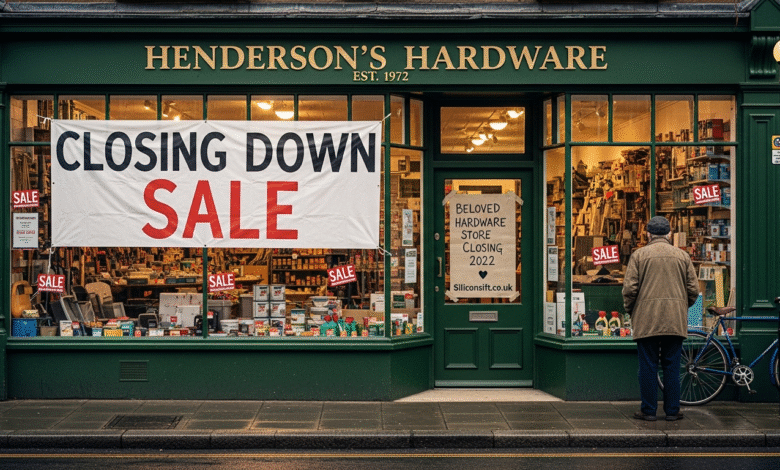
The year 2022 marked a painful chapter for community hardware stores across America. From small towns to bustling cities, beloved hardware store closing 2022 announcements struck emotional chords with longtime customers. These weren’t just retail businesses shuttering their doors. They were community institutions disappearing forever, taking decades of local history and relationships with them.
If you walked past your neighborhood hardware store in 2022 and saw a “Going Out of Business” sign, you weren’t alone. The year accelerated a troubling trend that had been building for years. Economic pressures from the pandemic, inflation, supply chain disruptions, and continued big box competition created a perfect storm that many small hardware stores couldn’t weather.
This article examines the specific beloved hardware store closing 2022 stories that resonated most deeply with communities. You’ll learn why 2022 was particularly devastating for independent hardware retailers, which notable stores closed their doors, and how communities responded to these losses. We’ll also explore what made these closures different from previous years and what they signal about the future of local hardware retail.
Why 2022 Was Devastating for Hardware Stores
The year 2022 presented unprecedented challenges that pushed struggling hardware stores past their breaking points. Multiple crises converged simultaneously, creating conditions that even well established businesses couldn’t survive. Understanding what made this year uniquely difficult helps explain the wave of closures.
Lingering Pandemic Economic Impact
While 2022 saw life returning to normal in many ways, the economic aftershocks from COVID continued battering small businesses. Hardware stores that survived 2020 and 2021 by depleting savings and taking on debt found themselves unable to recover financially. The initial pandemic boom in home improvement projects had faded, leaving stores with expanded inventory but declining sales.
Many stores had invested heavily in adapting to pandemic conditions. They built websites, hired additional staff, and expanded delivery services. These investments made sense during lockdowns but became unsustainable as customer behavior shifted back. The debt incurred for pandemic adaptations came due just as revenue declined.
Customer traffic patterns never fully returned to pre pandemic levels. People who discovered online shopping or big box convenience during lockdowns didn’t automatically return to their local hardware stores. Older customers who formed the core clientele of many stores remained cautious about in person shopping throughout much of 2022.
The psychological toll on owners also mattered. Years of stress, uncertainty, and exhausting adaptation efforts left many proprietors simply burned out. Some who might have fought harder in previous years decided they’d had enough. The emotional resilience needed to keep pushing forward was depleted.
Inflation and Supply Chain Chaos
Inflation hit hardware stores from every direction in 2022. The cost of inventory skyrocketed while customers balked at passing these increases along. Rent, utilities, insurance, and wages all climbed sharply. The thin profit margins that hardware stores operated on evaporated completely for many businesses.
Supply chain problems that began during the pandemic intensified in early 2022. Hardware stores couldn’t get popular items in stock reliably. Customers shopping for specific products found empty shelves and stopped bothering to check. This erosion of reliability damaged the trust that local stores depended on.
When products finally arrived, they came in the wrong quantities or at unexpected times. Stores paid for inventory they couldn’t sell immediately while lacking items customers actually wanted. Cash flow problems intensified as money sat tied up in wrong inventory while bills came due.
Big box retailers and online giants could absorb these challenges better than small stores. Their scale and resources let them maintain better inventory and hold prices steadier. This amplified their competitive advantages precisely when local stores were most vulnerable. The playing field tilted even further away from independent retailers.
Labor Shortages and Wage Pressures
Finding and keeping good employees became nearly impossible for hardware stores in 2022. The broader labor shortage hit these businesses particularly hard. They needed knowledgeable staff who could provide expert advice, but such employees commanded higher wages than small stores could afford.
Big box stores raised starting wages to attract workers, forcing local hardware stores to compete or lose staff. Many couldn’t match these wages while maintaining profitability. Stores that had employed the same experienced workers for decades watched them leave for better paying positions elsewhere.
Training new employees takes time and expertise that stressed owners didn’t have. The learning curve for hardware retail is steep. New hires couldn’t provide the knowledgeable service that differentiated local stores from chains. This degraded the customer experience right when maintaining quality was most critical.
Some stores cut hours or operated with skeleton crews to manage labor costs. This created longer wait times and reduced service quality. Customers grew frustrated and took their business elsewhere. The cost cutting measures intended to save money actually accelerated decline by driving away the customer base.
Notable Beloved Hardware Store Closing 2022 Examples
Several specific closures in 2022 particularly resonated with communities and made local or national news. These stories illustrate the human impact behind the statistics. Each represents decades of service and countless customer relationships ending suddenly.
Kolb’s Hardware in Sacramento, California
Kolb’s Hardware had served Sacramento’s Pocket neighborhood for over 40 years when it closed in February 2022. The family owned store was a fixture where multiple generations shopped. Owner Gary Kolb cited rising costs, difficulty competing with online retailers, and challenges finding employees as reasons for closing.
The closure devastated the neighborhood. Customers shared memories of Gary helping them with projects over the years, often going to extraordinary lengths to find obscure parts. The store had been a gathering place where neighbors caught up while shopping. Its loss left a tangible void in the community’s social fabric.
Local news coverage captured the emotional final days. Long time customers came to say goodbye and thank the Kolb family. Many expressed anger at the forces that made it impossible for such beloved businesses to survive. The outpouring showed how much these stores mean beyond their commercial function.
Mesilla Valley Hardware in Las Cruces, New Mexico
After 38 years serving Las Cruces, Mesilla Valley Hardware announced its closure in May 2022. Owners Jim and Lynda Malone had become community institutions themselves. Their store was known for stocking hard to find items and providing expert advice that saved customers time and money.
The Malones explained that inflation and supply chain problems made continuing impossible. They couldn’t maintain inventory levels or afford the rising costs of operation. Despite a loyal customer base, the financial realities couldn’t be overcome. The decision to close clearly pained them deeply.
Community response was immediate and heartfelt. A Facebook post announcing the closure generated hundreds of comments from grateful customers. People shared specific stories of times the Malones went above and beyond. The collective mourning demonstrated what communities lose when these stores disappear.
Goff’s Hardware in Clarion, Pennsylvania
Goff’s Hardware closed in August 2022 after serving Clarion for 67 years. Three generations of the Goff family had operated the store. It was one of those downtown anchors that defined small town America. The building itself was a landmark that locals used for giving directions.
Owner Bill Goff cited retirement and inability to find a buyer as reasons for closure. The store could have potentially continued under new ownership, but no one stepped forward. This pattern repeated across the country as potential buyers recognized the difficult economics facing hardware retail.
The closure symbolized broader changes in small town retail landscapes. Clarion’s downtown had already lost numerous businesses to big box competition. Goff’s was among the last holdouts. Its closing felt like the end of an era for the entire community, not just one business.
Kramer’s Hardware in Westmont, Illinois
Kramer’s Hardware announced closure in September 2022 after 101 years of continuous operation. Four generations of the Kramer family had run the store since 1921. It survived the Great Depression, World War II, and countless economic cycles. That such a resilient business couldn’t survive 2022 conditions shocked the community.
The store occupied a beautiful historic building in downtown Westmont. It was featured in local history books and photo archives. Customers remembered shopping there with parents and grandparents. The institutional memory contained within the store spanned a century of community development.
Final clearance sales drew enormous crowds. People bought items as much for sentimental value as practical need. Many customers became emotional sharing what the store meant to their families. Local media extensively covered the closure as a significant community loss. Politicians and community leaders issued statements honoring the Kramer family’s service.
The 2022 Pattern: What Made These Closures Different
While hardware stores had been closing for years, the 2022 wave had distinctive characteristics. Understanding these patterns helps explain why this particular year was so devastating. The closures shared common themes that set them apart from previous years.
Simultaneous Timing
An unusual number of closures happened within a compressed timeframe. Many stores announced closings within weeks of each other in early to mid 2022. This clustering suggested they were responding to the same triggering events rather than individual circumstances.
The concentration of closures amplified their impact. News stories about beloved hardware store closing 2022 became a recurring theme in local media. This created a sense of crisis and inevitability. Other struggling stores saw neighbors closing and made similar decisions rather than continuing to fight.
The timing aligned with when pandemic support programs expired. PPP loans and other assistance that kept stores afloat in 2020 and 2021 had run out. Owners faced the full reality of their financial situations without governmental safety nets. Many discovered that survival wasn’t possible without that support.
Long Established Businesses Closing
The stores closing in 2022 weren’t marginal businesses that barely survived in good times. Many were institutions with 40, 50, or even 100 years of operation. These were exactly the businesses communities assumed would always be there. Their closures felt shocking rather than predictable.
Previous closure waves tended to claim newer or weaker stores first. The fact that such established businesses couldn’t survive indicated how severe the economic pressures had become. If a store could survive the Great Depression but not 2022, something fundamental had changed in the retail environment.
Family ownership spanning multiple generations characterized many closing stores. These weren’t absentee owners cashing out for profit. They were families with deep roots choosing to close rather than pass unsustainable businesses to the next generation. This represented a breaking of generational continuity that communities found particularly tragic.
Owner Exhaustion and Retirement Without Succession
Many 2022 closures involved owners ready to retire who couldn’t find successors. The pandemic years aged proprietors rapidly. Owners in their 60s and 70s who might have worked another five years decided they couldn’t endure more struggle. The extraordinary challenges of 2020 through 2022 depleted their reserves of energy and determination.
Finding buyers for hardware stores proved nearly impossible. Potential purchasers recognized the difficult economics and declining viability. Even children of owners who grew up in the businesses declined to take over. This lack of succession forced closures of businesses that might have continued under different circumstances.
The pattern revealed a generational shift in career aspirations and business ownership. Younger people didn’t see independent retail as an appealing path. The sacrifice, risk, and modest returns couldn’t compete with other opportunities. Hardware stores required tremendous knowledge, commitment, and community connection that fewer people wanted to provide.
Community Reactions to 2022 Hardware Store Closures
The response to beloved hardware store closing 2022 announcements consistently demonstrated how deeply these businesses mattered. Communities didn’t react to these closures like typical retail closings. The emotional intensity revealed the special role hardware stores played.
Outpouring of Gratitude and Sadness
Social media posts announcing closures generated thousands of comments. Customers shared specific memories spanning decades. Many people told stories of owners helping them solve problems or going extraordinary lengths to source parts. The collective memories painted pictures of exceptional service and genuine relationships.
Final shopping days drew crowds of people coming to say goodbye. Customers bought items they didn’t necessarily need as gestures of support. Many became emotional thanking owners for years of service. These scenes played out repeatedly across the country throughout 2022.
Local media gave extensive coverage to hardware store closures. TV stations ran feature stories highlighting the stores’ histories and community importance. Newspapers published photo essays and customer testimonials. The attention given to these closures exceeded typical business news coverage significantly.
Anger at Big Box Stores and Online Retailers
Community members often expressed anger at the forces that made beloved stores unsustainable. Many blamed Amazon, Home Depot, and Lowe’s explicitly. The sentiment was that these corporate giants destroyed community institutions that provided irreplaceable value.
Some customers expressed guilt about their own shopping patterns. People admitted they’d sometimes bought online or at big box stores for convenience or savings. Now they regretted those choices and wished they’d supported local stores more consistently. This reflection came too late to save closing businesses.
Discussion about priorities and values emerged from the closures. Communities questioned whether saving a few dollars was worth losing institutions that provided connection and service. Many people pledged to shop more intentionally at remaining local businesses. Whether these commitments would last remained uncertain.
Efforts to Save Stores or Find Buyers
Some communities attempted to save closing hardware stores through various means. Crowdfunding campaigns launched to help with debt or operating costs. Local business groups tried recruiting potential buyers. Towns held community meetings to brainstorm solutions.
These efforts rarely succeeded but demonstrated communities’ desperation to preserve their stores. The economics that forced closures couldn’t be overcome through goodwill alone. Most stores closing in 2022 faced fundamental structural problems that no amount of community support could solve.
A few creative solutions emerged. Some stores transformed into cooperatives owned by community members. Others found buyers willing to maintain them as legacy businesses. These success stories were exceptions that proved the rule. Most beloved hardware stores closing in 2022 closed permanently without viable alternatives emerging.
The Lasting Impact on Communities
The absence left by beloved hardware store closing 2022 continues affecting communities long after the going out of business sales ended. These impacts touch both practical and intangible aspects of neighborhood life. Understanding what’s lost helps appreciate what these stores provided.
Loss of Convenient Local Service
The most immediate impact is practical inconvenience. Community members now drive farther for basic supplies. Emergency repairs requiring quick trips for parts become more complicated. The ease of running down the street for hardware is gone permanently for many neighborhoods.
Big box stores don’t replace the convenience despite their size. They’re typically located in commercial zones requiring car trips. The quick, walkable access that hardware stores provided is impossible to replicate. This particularly affects elderly residents and those without reliable transportation.
The expert advice available at hardware stores is largely irreplaceable. Big box employees often lack the experience and knowledge to help with unusual problems. Online shopping provides no consultation at all. DIY projects become more frustrating when you can’t get guidance from someone who’s solved the same problem hundreds of times.
Economic Ripple Effects
Hardware store closures impact entire business districts. Surrounding shops see reduced foot traffic. The vibrancy that made streets attractive to other businesses diminishes. Sometimes hardware store closures trigger cascading failures of other nearby businesses.
Property owners struggle to find suitable tenants for hardware store spaces. These buildings often have unique configurations and aren’t easily converted. Empty storefronts create blight that decreases property values and neighborhood appeal. Some former hardware stores remain vacant years after closing.
The tax base shrinks when established businesses close. This affects municipal budgets and potentially services. Jobs disappear from the community. Money that once circulated locally now flows to distant corporate headquarters. The economic anchoring function of local hardware stores becomes apparent only after they’re gone.
Weakened Social Fabric
Hardware stores served as gathering places where community members connected. Their loss means fewer third spaces where neighbors naturally encounter each other. This contributes to the social isolation and disconnection that characterizes modern suburban and small town life.
The relationships built through repeated interactions at hardware stores had real value. People knew they could ask for help and receive it genuinely. The reciprocal nature of these connections strengthened community bonds. Losing these regular interaction points frays the social network.
Newer residents never experience what older residents remember. They don’t know what the neighborhood lost. This creates generational divides in community identity and expectations. The stories of hardware stores become nostalgia that younger people can’t relate to. Communities lose their institutional memory and shared reference points.
What 2022 Hardware Store Closures Signal for the Future
The wave of beloved hardware store closing 2022 announcements indicates broader trends in retail and community life. These closures suggest what’s coming rather than simply documenting what’s past. Understanding the implications helps communities and policymakers think about what might be done.
The consolidation of hardware retail under big box chains and online platforms seems irreversible. Independent hardware stores occupy an increasingly precarious position. Absent major changes in consumer behavior or policy interventions, more closures appear inevitable. The 2022 wave likely represents acceleration of an ongoing trend rather than a one time event.
Generational succession problems will continue forcing closures. Aging baby boomer owners are retiring without successors. The transfer of small businesses to new generations is breaking down across many sectors. Hardware stores exemplify this pattern clearly. Within the next decade, many more long established stores will likely close for this reason alone.
Communities need to consciously decide whether preserving local businesses matters enough to change behavior. The market forces working against hardware stores won’t reverse naturally. If people want these businesses to survive, they must commit to shopping local consistently even when it costs more or is less convenient. Without this commitment, the closures will continue.
Alternative models might emerge to partially fill the void. Cooperatively owned hardware stores, nonprofit community resource centers, or creative business partnerships could provide some services lost when traditional stores close. These innovations will require intentional community organization rather than relying on market solutions.
Conclusion
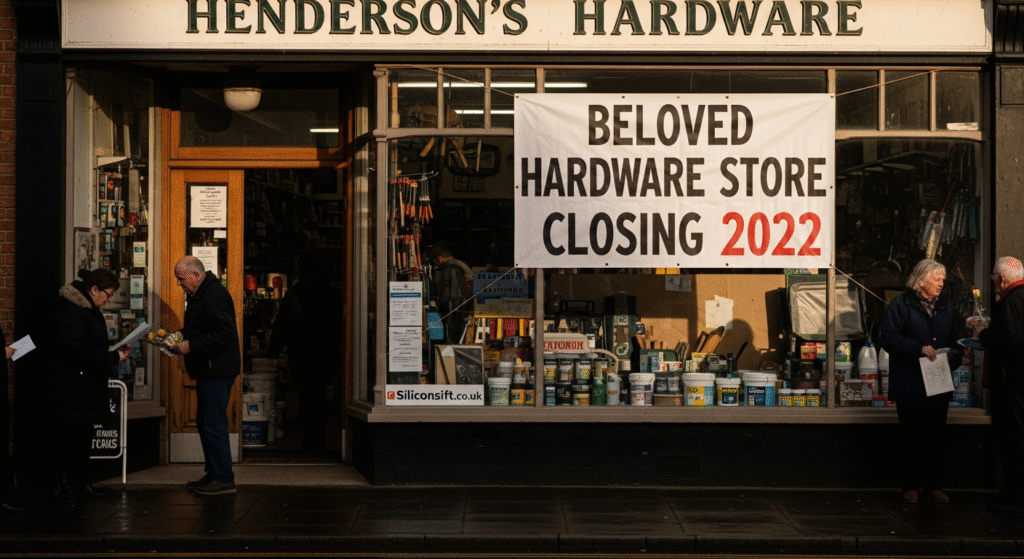
The beloved hardware store closing 2022 stories represent more than business failures. They document the disappearance of community institutions that provided service, expertise, and connection for generations. The year was uniquely challenging as pandemic aftereffects, inflation, supply problems, and labor shortages converged to overwhelm even well established stores.
Specific closures like Kolb’s, Mesilla Valley Hardware, Goff’s, and Kramer’s illustrate the pattern repeated across America. These weren’t marginal businesses but community anchors with decades of history. Their closures shocked neighborhoods and triggered reflection about what’s lost when local businesses can’t survive economic pressures.
Communities responded with genuine grief, demonstrating how much these stores meant beyond their commercial function. Yet the economics forcing closures proved too powerful for sentiment alone to overcome. The question facing communities now is whether they’ll change behavior to support remaining stores before they too disappear.
The 2022 wave of hardware store closures signals ongoing trends that will shape retail and community life for years. Without conscious intervention, more beloved institutions will close. What can you do to support hardware stores and other local businesses in your community before it’s too late?
Frequently Asked Questions
Why did so many hardware stores close in 2022?
Multiple factors converged in 2022 including inflation, supply chain disruptions, labor shortages, and lingering pandemic economic impacts. Many stores had depleted savings surviving 2020 and 2021 and couldn’t recover financially. Rising operational costs combined with intense big box competition created conditions even well established stores couldn’t weather. Owner exhaustion and inability to find successors also contributed significantly.
Which famous hardware stores closed in 2022?
Notable beloved hardware store closing 2022 examples included Kolb’s Hardware in Sacramento after 40 years, Mesilla Valley Hardware in Las Cruces after 38 years, Goff’s Hardware in Clarion after 67 years, and Kramer’s Hardware in Westmont after 101 years. Each had served multiple generations and was considered a community institution whose loss was widely mourned.
How did communities react to hardware store closures in 2022?
Communities showed genuine grief through social media tributes, large crowds at final sales, and extensive local media coverage. Many customers expressed anger at big box stores and online retailers while feeling guilty about their own shopping patterns. Some communities attempted crowdfunding or finding buyers, though these efforts rarely succeeded against fundamental economic pressures.
What happens to neighborhoods when hardware stores close?
Neighborhoods lose convenient access to supplies and expert advice that’s difficult to replace elsewhere. The economic impact extends to reduced foot traffic for surrounding businesses, vacant storefronts that decrease property values, and lost jobs. Communities also lose gathering spaces where neighbors connected regularly, weakening the social fabric that bound neighborhoods together.
Can anything be done to save local hardware stores?
Preserving hardware stores requires consistent community commitment to shopping locally even when less convenient or slightly more expensive. Some creative solutions like cooperative ownership or buyer recruitment occasionally work. However, without fundamental changes in consumer behavior and possibly policy interventions, market forces working against independent stores will continue causing closures.
Were 2022 hardware store closures different from previous years?
Yes, 2022 closures had distinctive patterns including concentrated timing as multiple stores closed simultaneously, unusually high number of long established businesses shuttering rather than marginal stores, and prevalence of retirement without succession. The stores closing weren’t weak businesses but community institutions, making the losses particularly shocking and symbolically significant.
What replaces hardware stores after they close?
Many former hardware store spaces sit vacant for extended periods due to difficult building configurations. Some eventually become chain restaurants, convenience stores, or are demolished for redevelopment. Big box stores located in commercial zones are supposed to replace hardware stores functionally, but they don’t provide the convenience, expertise, or community connection.
How many hardware stores closed in 2022?
Precise nationwide numbers are difficult to determine as many closures only received local coverage. However, industry observers noted 2022 as a particularly devastating year for independent hardware retailers with hundreds of closures across the country. The trend represented acceleration of declining independent hardware store numbers that’s been ongoing for decades.
Did any hardware stores thrive in 2022?
Some independent hardware stores succeeded in 2022 by specializing in particular niches, offering superior expertise and service, building strong community relationships, or serving areas underserved by big box competition. However, these were exceptions. The overall trend showed independent hardware stores struggling significantly with many long established businesses forced to close.
What does the future hold for independent hardware stores?
The outlook remains challenging as consolidation toward big box and online retailers continues. Generational succession problems will force more closures as owners retire. However, stores that adapt through specialization, exceptional service, community integration, and possibly cooperative models may survive. The future likely includes fewer but more focused independent hardware retailers serving specific markets.
Also Read Siliconsift.co.uk